
Although drinking this much might not seem like a big deal in the moment, you may regret your choices later. You might struggle with the immediate physical consequences—headache, nausea, weakness, poor sleep quality. Or perhaps you later feel shame and embarrassment about things you said and did while under the influence. You might wake up with questions like, “Did I do something stupid to endanger my loved ones? ” These lapses in memory only add to the overall hangover and sense of dread you experience the next day.
What are the dangers of binge drinking for older adults?
- On Aug. 7, 2021, Chicago police Officer Thomas Raap rose to the occasion.
- The 37 million binge drinkers had about one binge per week and consumed an average of seven drinks per episode.
- The state has known about the issues since a different 2016 lawsuit and federal officials warned them of the problems and possible legal action in a 23-page report in May 2023, U.S.
- You might, for instance, feel an urge to drink even when you no longer want to, and have cravings when you try to avoid alcohol.
- Over time, a binge drinker is at a higher risk for severe health problems such as liver disease, pancreatitis, and certain types of cancers.
What many people might think of as a fun night out on the town can be very risky — or in some cases, life-threatening, Dr. Streem notes. More than half of all drinking-related deaths are caused by binge drinking. Adults under 35 are more likely to do this than other age groups, and men are twice as likely as women.
Mutual support groups
Columbia epidemiologist Katherine Keyes ’10PH explains the slippery science behind alcohol’s health effects. “Acutely, when you’re impaired by alcohol, you not only have poor coordination, but you also have very poor judgment and very poor executive functioning,” Naimi told Healthline. Excessive alcohol also affects your actions, which can increase your risk of injuries and death from motor vehicle accidents, drowning, suffocation, and other accidents. About 90 percent of the alcohol in your blood is broken down by the liver. The rest is excreted through the lungs, Substance abuse kidneys, or in sweat.
- You can consider going on a vacation or buying something nice for yourself.
- Binge drinking is still a serious public health problem that can severely damage your health and well-being.
- So, you don’t have to wait until alcohol use feels uncontrollable before reaching out for help.
- Or by depressing the gag reflex, which puts a person who has passed out at risk of choking on their own vomit.
Alcohol Rehab

You might, for instance, feel an urge to drink even when you no longer want to, and have cravings when you try to avoid alcohol. In short, your relationship with alcohol may have started to disrupt your daily life and activities. “Because the blood level of the alcohol becomes much higher with binge drinking, you’re much =https://ecosoberhouse.com/ more exposed to the acute toxicity of alcohol,” Dr. Streem explains. And a more recent 2021 study showed that binge drinkers are more likely to also abuse other substances, such as the misuse of prescription drugs. Binge drinking may seem sort of harmless on the surface, but to count the real cost you need to look beyond the day-after-downsides and consider the short and long term health risks.
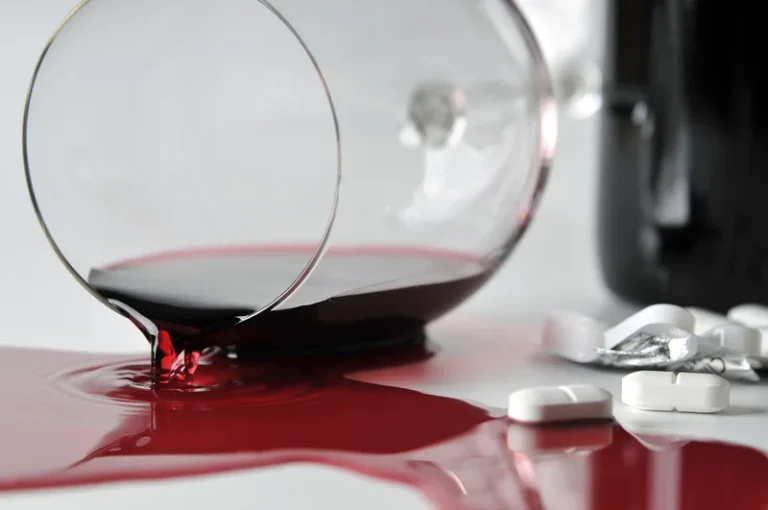
More research shows that even a single episode of binge drinking can have serious effects on all parts of your body, not just your brain. Additionally, a 2017 study suggests that binge drinking may be an early risk factor of developing AUD. For example, binge drinking effects a 2018 cross-sectional study found a strong relationship between adolescents who binge drink and developing AUD.

We strive to create content that is clear, concise, and easy to understand. Federal and state health agencies also offer resources and can refer you to someone who can help.
- Individuals of African descent have a lower level of binge drinking followed by those of Asian descent.
- If your excessive alcohol use is a recurring issue, you might admonish yourself for your poor self-control or even develop a sense of self-loathing.
- “Because alcohol use and especially binge drinking can result in a range of both short-term and long-term consequences, moderation is something anyone who drinks should aim for,” Dr. Koob says.
- Because excessive alcohol use impairs judgment and inhibitions, it can lead to risky behavior that can come with some serious consequences.
When you hear the term “binge drinking,” you may picture underage drinking at high school or wild college parties. Some research even shows that the habit is increasing among older adults. Binge drinking involves a pattern of short but heavy bursts of alcohol use. When you drink like this, you consume enough alcohol over the course of two hours to raise your blood alcohol concentration to the legal limit of intoxication (0.08 percent in the U.S.) or higher.
Leave a Reply